

Contractor Lic. No. 940822 | Security Lic. No. ACO1290
© Copyright 2026 SEBASTIAN. All rights reserved.
Most businesses don’t think about their electrical systems until something fails. And when something does fail — a tripped breaker that won’t reset, a panel that can’t handle new equipment, a tenant build-out that suddenly needs more circuits than anyone planned for — the first instinct is to “call an electrician.” That call is a good instinct. Knowing what to ask for when someone picks up is what most owners never think about until they’re already in the middle of a problem.
Commercial electrical services is a broad category that most people treat as monolithic. In reality, the scope, specialization, and licensing requirements vary significantly depending on what the job actually entails. Hiring the wrong type of contractor for a commercial electrical project — even a licensed one — can result in work that doesn’t meet code, doesn’t qualify for permits, and doesn’t hold up when the next project or inspection comes around.
Understanding what falls under commercial electrical services helps you ask the right questions before you hire, set realistic expectations for scope and timeline, and avoid the kind of cost surprises that come from scoping a job incorrectly at the start.
The most important distinction in electrical work isn’t the size of the building — it’s the type of system. Commercial electrical systems operate at higher voltages, carry heavier loads, and are built to more stringent code requirements than residential systems. The National Electrical Code (NEC) contains separate provisions for commercial installations, and California’s Title 24 adds additional requirements that apply specifically to commercial buildings.
In California, performing commercial electrical work legally requires a C-10 Electrical Contractor license issued by the Contractors State License Board (CSLB). A C-10 licensee is authorized to install, maintain, and repair electrical wiring, systems, and fixtures — including the type of high-voltage commercial work that a residential license doesn’t cover. You can verify any contractor’s license status directly through the CSLB license lookup before signing anything.
This matters practically because a contractor who primarily does residential work may be technically licensed but lack the commercial code knowledge, insurance levels, and permit experience that commercial projects require. When you’re evaluating bids for commercial electrical work, the C-10 license is the floor — not the whole picture.
Commercial electrical services covers a range of work types that most businesses will encounter at some point in their building’s life. These are the most common categories:
Panel upgrades and service entrance work are typically needed when a building’s electrical load has grown beyond what its current service can support — new equipment, expanded operations, additional tenants, or EV charging infrastructure. A service upgrade involves replacing or expanding the main electrical panel and, in some cases, coordinating with the utility on service delivery. This is among the most code-sensitive work in commercial electrical and requires permits in virtually every jurisdiction.
Tenant improvement (TI) electrical covers the electrical scope of a commercial build-out or renovation — new circuits, dedicated lines for equipment, outlet placement, lighting, panel work for the leased space, and low-voltage rough-in. This work is typically permitted separately from the base building and requires coordination between the electrical contractor, general contractor, and property manager.
Lighting installation and retrofit ranges from new fixture installation during a build-out to full LED retrofit projects across an existing commercial facility. Commercial lighting work often carries Title 24 compliance requirements and, for retrofit projects specifically, involves documentation for utility rebate programs. For a deeper look at when a retrofit makes sense, see our post on signs your building is overdue for an LED lighting retrofit.
Surge protection installation at the panel level — installing a Surge Protective Device (SPD) at the service entrance — is distinct from the point-of-use strips most facilities already have. Panel-level SPD installation is a licensed electrical contractor job and is often required for insurance documentation or utility incentive qualification. More on what’s at stake without it in our post on commercial surge protection.
Emergency and exit lighting is a life-safety requirement in commercial buildings and is regulated under both the NEC and local fire codes. Exit signs, emergency egress lighting, and backup battery systems require permitted installation and periodic testing — work that needs to be done by a licensed commercial electrical contractor to pass inspection.
EV charging station installation is a growing part of commercial electrical work as tenant demand and local ordinances push more commercial properties toward charging infrastructure. Commercial EV installations involve load calculations, service capacity review, conduit runs, dedicated circuit design, and in many cases utility coordination for service upgrades — a meaningfully more complex scope than a residential charger install.
Beyond the core services, commercial electrical work extends into more specialized territory that some facilities require based on their operations or construction type.
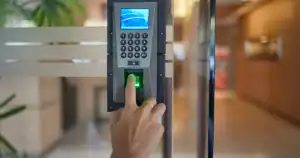
Low-voltage systems — structured cabling, audio/visual, access control, and security system wiring — fall under a separate license classification (C-7 in California) but are frequently coordinated alongside C-10 electrical work on the same project. A full-service commercial electrical contractor who handles both eliminates the coordination gap between trades.
Underground and site electrical covers conduit installation, underground service runs, and site power distribution for new construction or major expansion projects. This work often involves trenching, utility coordination, and engineering review — a different scope and timeline than interior electrical work.
Energy audits and efficiency upgrades — assessing a building’s electrical load profile, identifying inefficiencies, and implementing upgrades that qualify for utility rebate programs — are increasingly part of what commercial property owners expect from their electrical contractor. Rebate documentation and utility program compliance require the same licensed contractor who does the installation to provide certification.
The gap between “something’s wrong with our electrical” and knowing what to ask for is where most businesses lose time and money. A few common scenarios and what they typically point to:
Climbing energy bills with no obvious cause often trace back to aging lighting systems or equipment running inefficiently — an audit or lighting retrofit assessment is usually the right first step. Capacity problems — breakers tripping when new equipment runs, inability to add circuits — point to a panel upgrade or service entrance evaluation. A lease signing or tenant move-in triggers TI electrical work, which needs to be scoped and permitted before construction starts. Equipment damage that seems random — particularly in HVAC or server rooms — often signals a surge protection gap rather than a pure equipment failure.
One clear red flag: any contractor who quotes a commercial electrical job without doing a site visit first. Accurate commercial electrical scoping requires seeing the existing panel, understanding the load profile, and reviewing the space. A bid submitted without that information is either a guess or a lowball number that will change once work starts.
Coordinating multiple specialty contractors across a single commercial project — one for electrical, one for lighting, one for low-voltage, one for surge protection — creates schedule dependencies, accountability gaps, and communication overhead that property managers and facilities teams absorb as their problem. When something goes wrong, every contractor points at a different phase.
A full-service commercial electrical contractor who covers the full scope — panel work, lighting, surge protection, TI electrical, low-voltage coordination, and EV charging — operates as a single point of accountability for the electrical side of any project. One scope, one license, one warranty, one contractor to call if something needs to be addressed after the job closes.
Commercial electrical services typically includes panel upgrades and service entrance work, tenant improvement electrical, lighting installation and retrofit, surge protection, emergency and exit lighting, EV charging station installation, and low-voltage coordination. The specific scope depends on the building type, project, and what the existing system requires.
Yes. Commercial electrical work in California requires a C-10 Electrical Contractor license from the CSLB. You can verify any contractor’s license status at cslb.ca.gov. Work performed without a proper license cannot be permitted, cannot pass inspection, and creates liability for the property owner.
Cost varies significantly by scope — a panel upgrade is a different project than a full LED retrofit or a multi-station EV charging installation. The most reliable way to understand cost is a site assessment and itemized proposal from a licensed commercial electrical contractor. Be cautious of lump-sum bids without line-item breakdowns.
In California, the license classification is the same (C-10), but the experience and code knowledge differ significantly. A contractor who primarily works residential may be unfamiliar with commercial code requirements, commercial permit processes, Title 24 compliance, or the load calculations that commercial projects require. Always ask about comparable commercial project experience before hiring.
The businesses that manage their electrical systems most effectively aren’t the ones that respond fastest after something fails. They’re the ones that understand what their building actually needs — and have a contractor relationship in place before the next project or problem arrives. Commercial electrical work is rarely as simple as a single call, but it doesn’t have to be as complicated as navigating three different contractors for one job.
Sebastian Corp handles the full scope of commercial electrical services — from panel upgrades and tenant improvement electrical to lighting retrofits, surge protection, and EV charging installation — under one C-10 license. If you’re trying to figure out what your building needs or want a second opinion on a project you’re already planning, reach out to the Sebastian team for a straightforward conversation about scope and next steps.

Contractor Lic. No. 940822 | Security Lic. No. ACO1290